Our Commitment to Environmental and Social Sustainability
Our business exists for much more than profit. Since 1977, we have been committed to making the world a better place.
Our Commitment to Sustainability
Since 1977, we have been committed to making the world a better place. Whether that’s improving the day-to-day experience of the people who use the spaces we plant, or ensuring that every stakeholder in our business, from our plant growers to our installation teams, is better off because Plant Plan exists.
A vital part of that commitment is understanding the impact we have beyond the workplaces we transform. Through our environmental initiatives, social value programmes and responsible business practices, we aim to create a positive impact for people, communities and the planet.
This page focuses on our environmental commitments. To explore our social initiatives, head over to our Social Initiatives page.
So where are we now?
The journey to a more sustainable future is a long one, but we’re proud to have already taken many of the steps needed to reduce our environmental impact. From the products we use to the way we travel, maintain and power our business, sustainability is embedded throughout our operations.

We have been on a mission to make our planters better, whether by partnering with a cutting-edge 3D printing company that manufactures planters from recycled drinks cartons or by utilising pots made from forest residues that are 100% biodegradable.
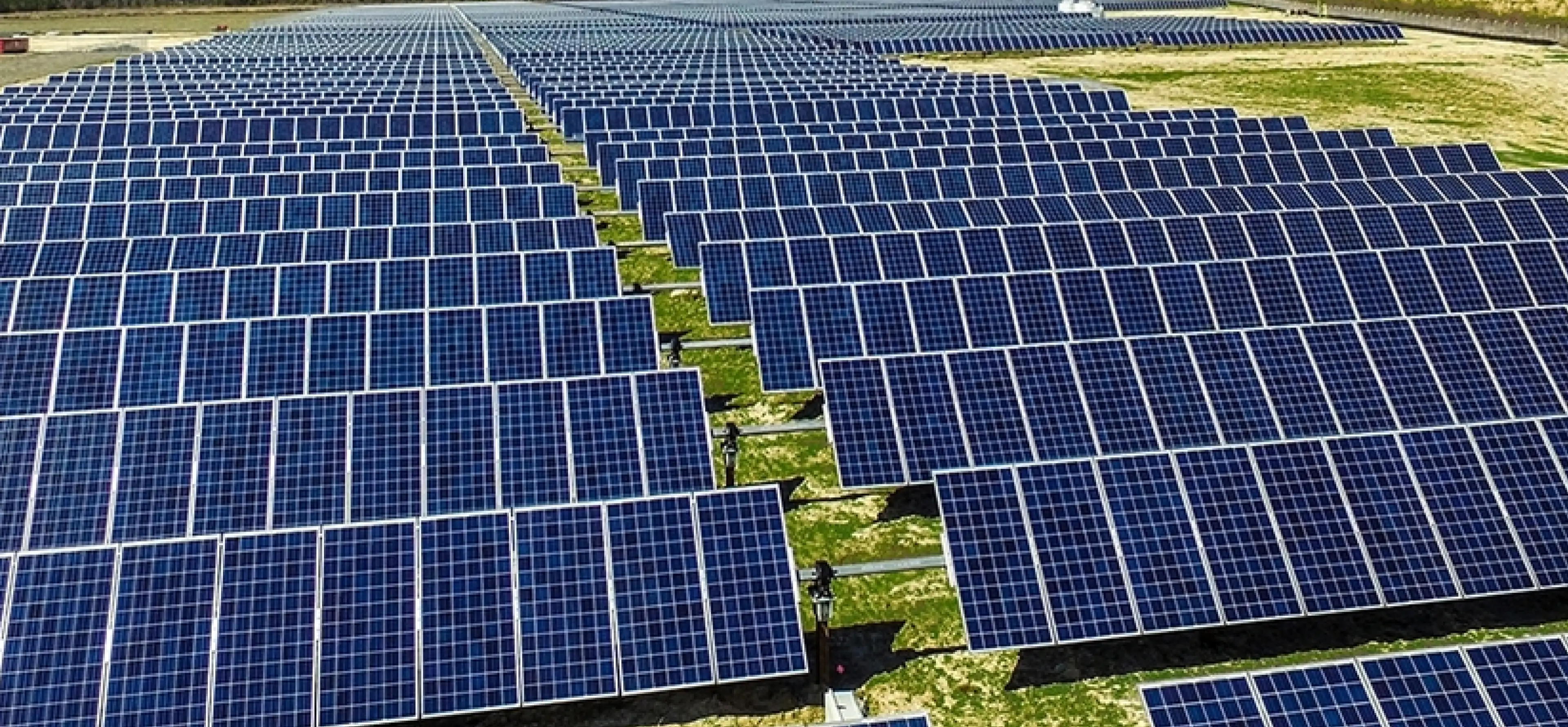
Our main facility in Leicester is now powered the same way as our plants, by the sun! Keeping plants warm and well-lit takes a lot of energy, so we covered our nursery in solar panels. Our 82kW system reduces CO2 emissions by 17.4 tonnes annually.
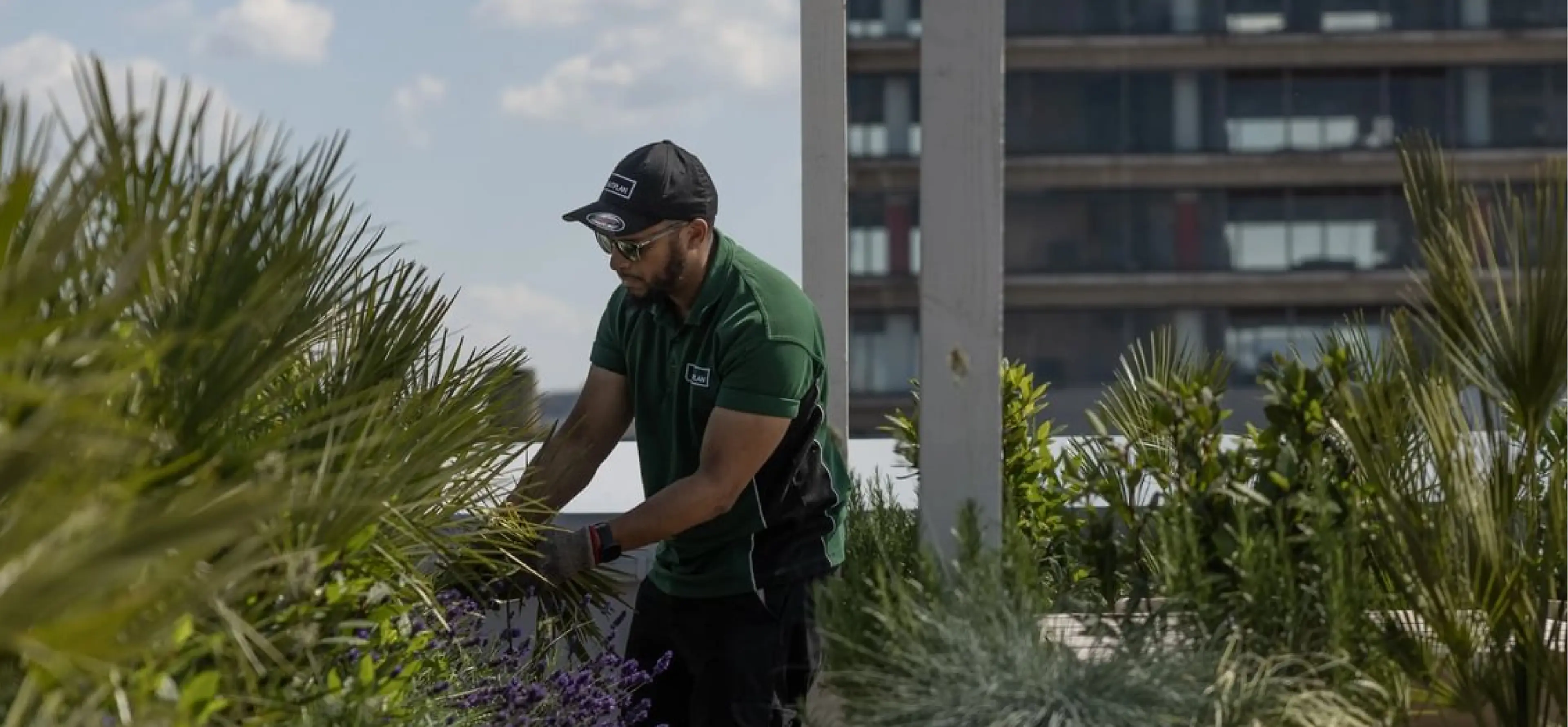
We equip our maintenance teams with the equipment they need to carry out their work with minimal reliance on cars and vans, encouraging public transport wherever possible. Where vehicles are still required, we are transitioning to an increasingly electrified fleet.
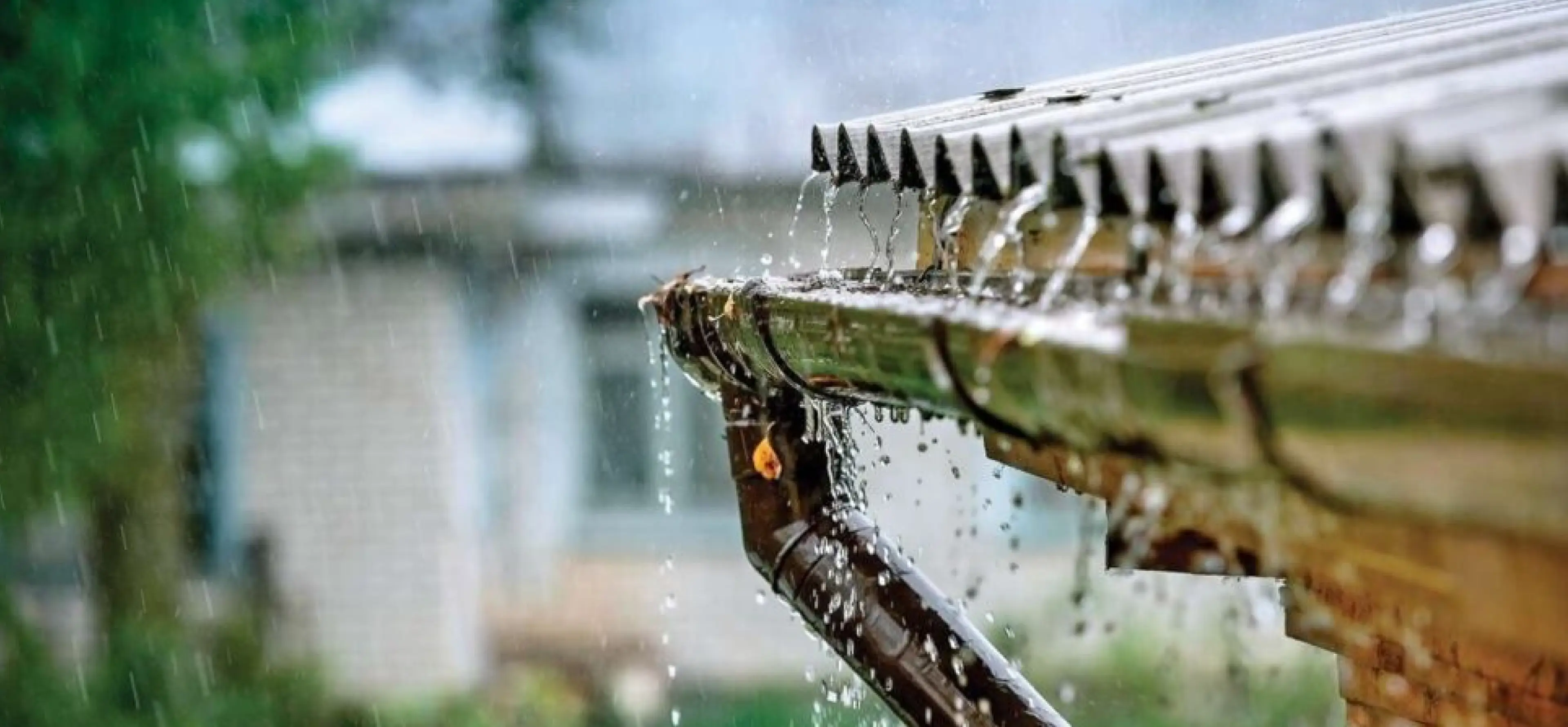
Recognising that clean water is a precious resource, we installed rainwater harvesting infrastructure in 2019. Between 2023 and 2025, our Enderby facility had an estimated 3.28 million litres of harvestable rainwater, keeping our warehouse plants fed.
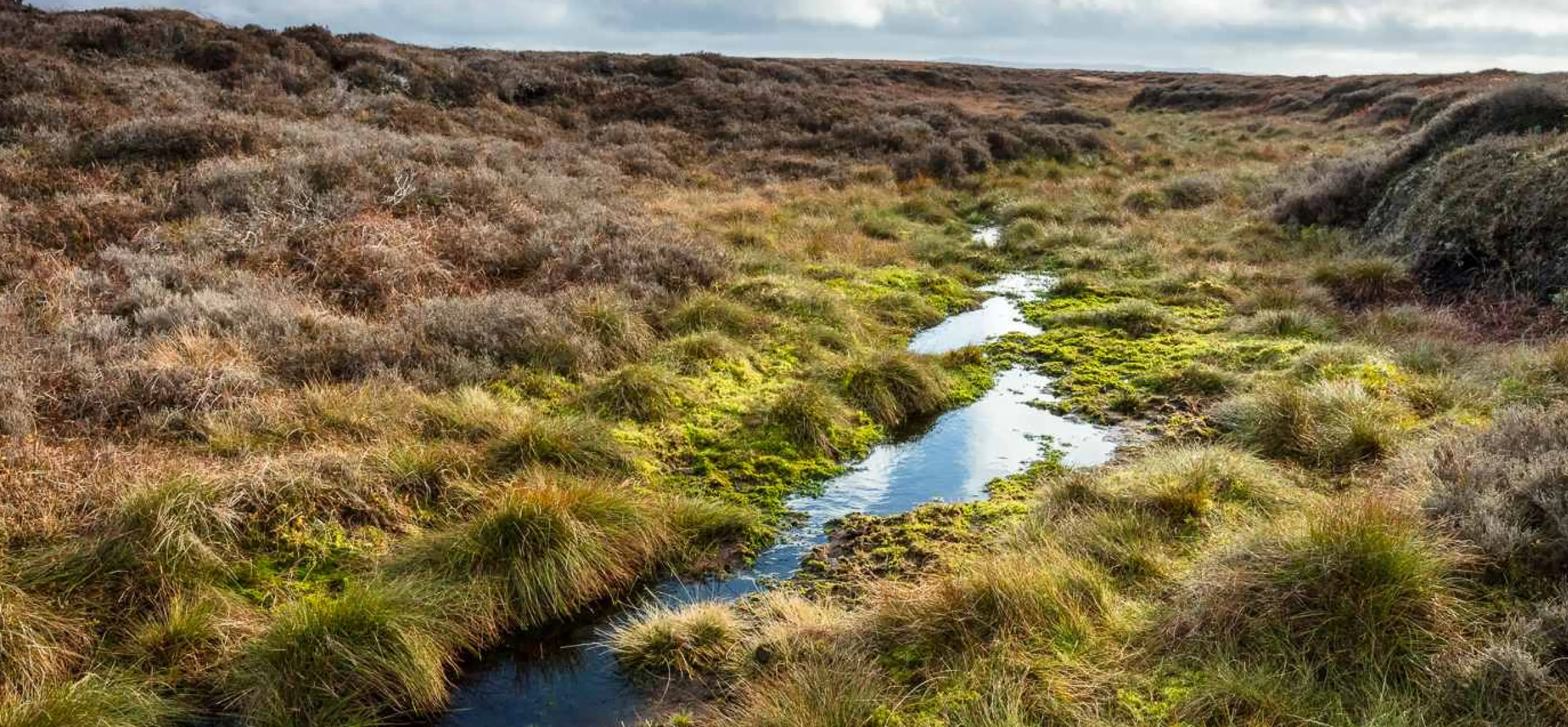
Peatlands are among the world’s most important carbon stores, yet traditional compost relies heavily on peat extraction. By using peat-free Vulkaponic substrate, we help protect these vital ecosystems while supporting healthier plants and a more sustainable future.
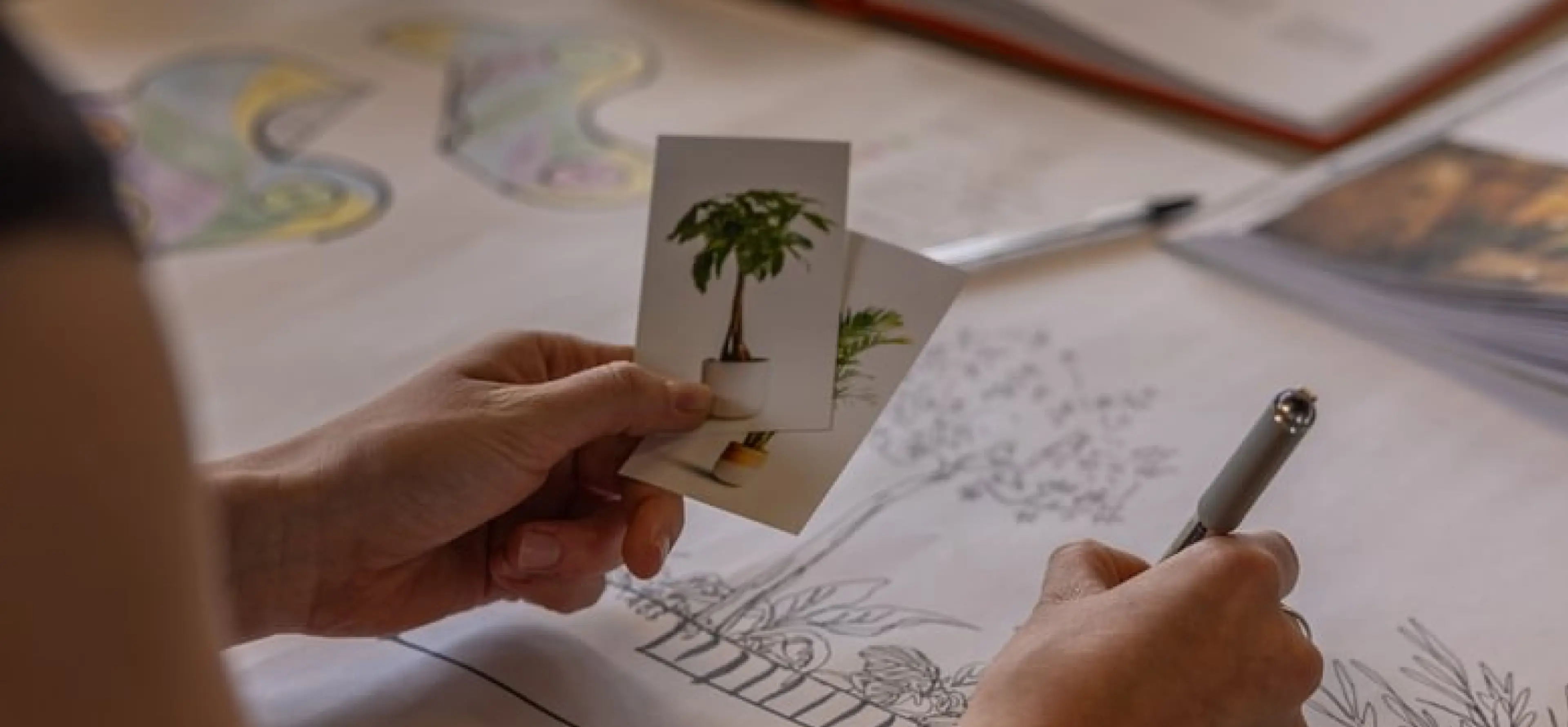
We’ve measured our carbon footprint and developed a verified roadmap to reduce our total emissions by 74% by 2035. Registered with SBTi, we’re now working towards independent validation of our targets, with annual reporting to track our progress.
Rooted in Sustainability
Our work towards building a better planet is not solely limited to the environment. You can access our full ESG Report here, where we explore our commitments to people as well as our commitments to the planet.

Where are we going?
In 2025, we commissioned Tunley Environmental to independently assess our carbon footprint across Scopes 1, 2 and 3, in accordance with ISO 14064-1.
The results gave us a much clearer picture of our environmental impact. We found that 99% of our emissions come from our supply chain, with plants and horticultural products accounting for 92%.
Understanding where our emissions come from has allowed us to develop a clear roadmap for reducing them, with a particular focus on the suppliers and materials we work with.
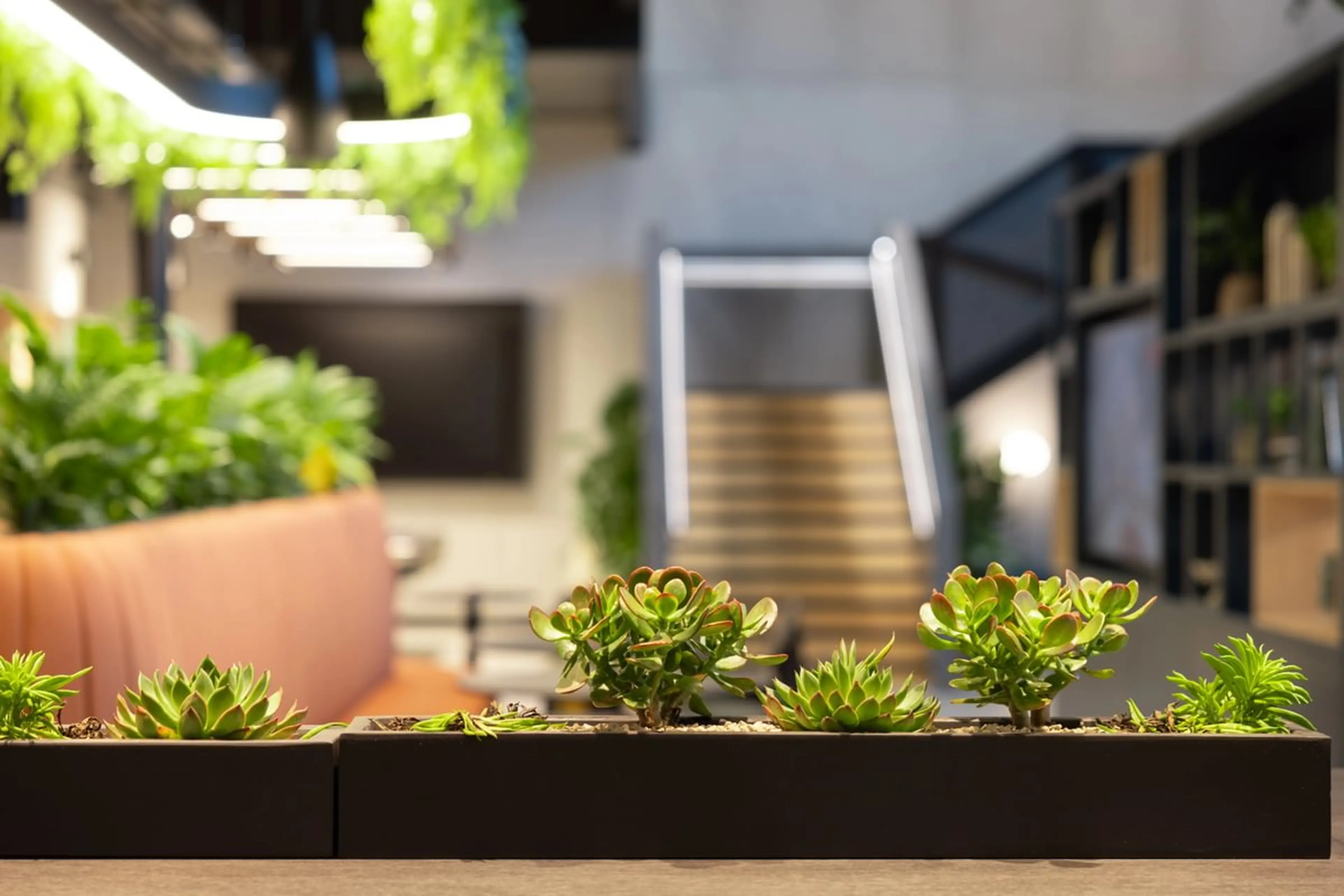
We commissioned Tunley Environmental to independently assess our carbon footprint across Scopes 1, 2 and 3, establishing a baseline of 8,278 tCO₂e.
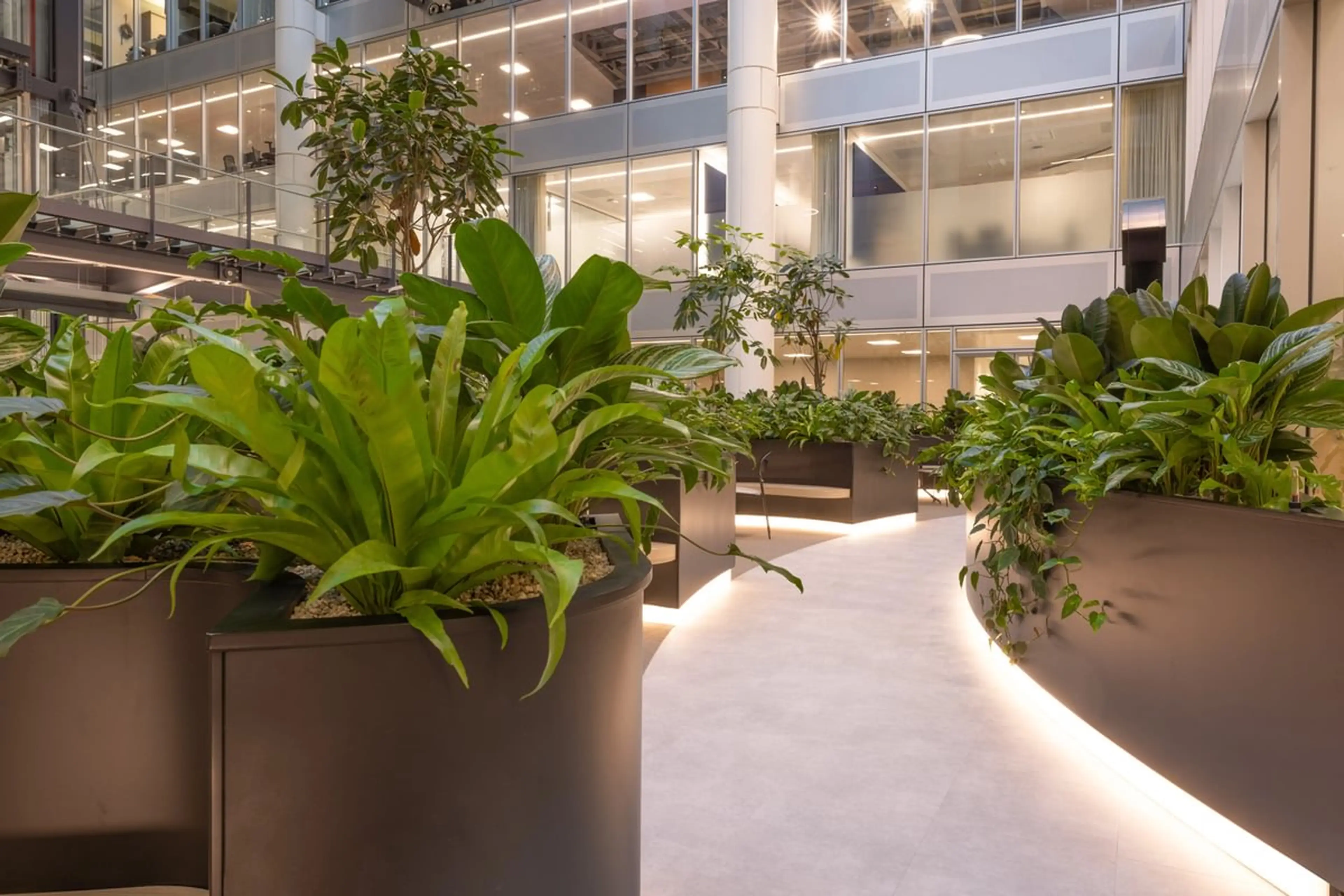
Using our carbon assessment, we’ve developed a verified roadmap to reduce total emissions by 74% by 2035. We’ve registered with SBTi and are preparing our targets for independent validation.
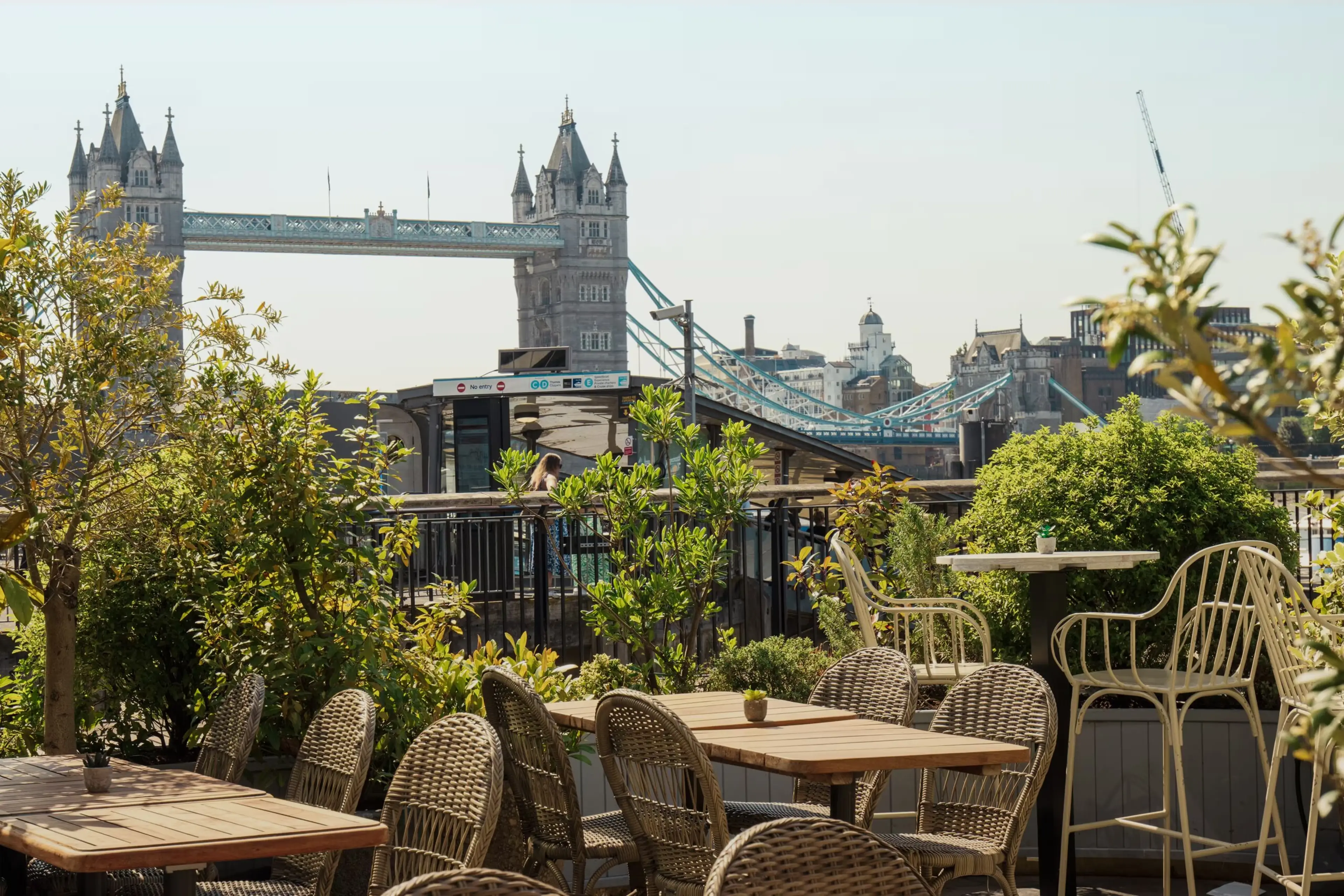
We’ll continue reducing emissions across our operations, expanding our electric vehicle fleet and improving our logistics. We’ll also progress our science-based targets through independent SBTi validation.
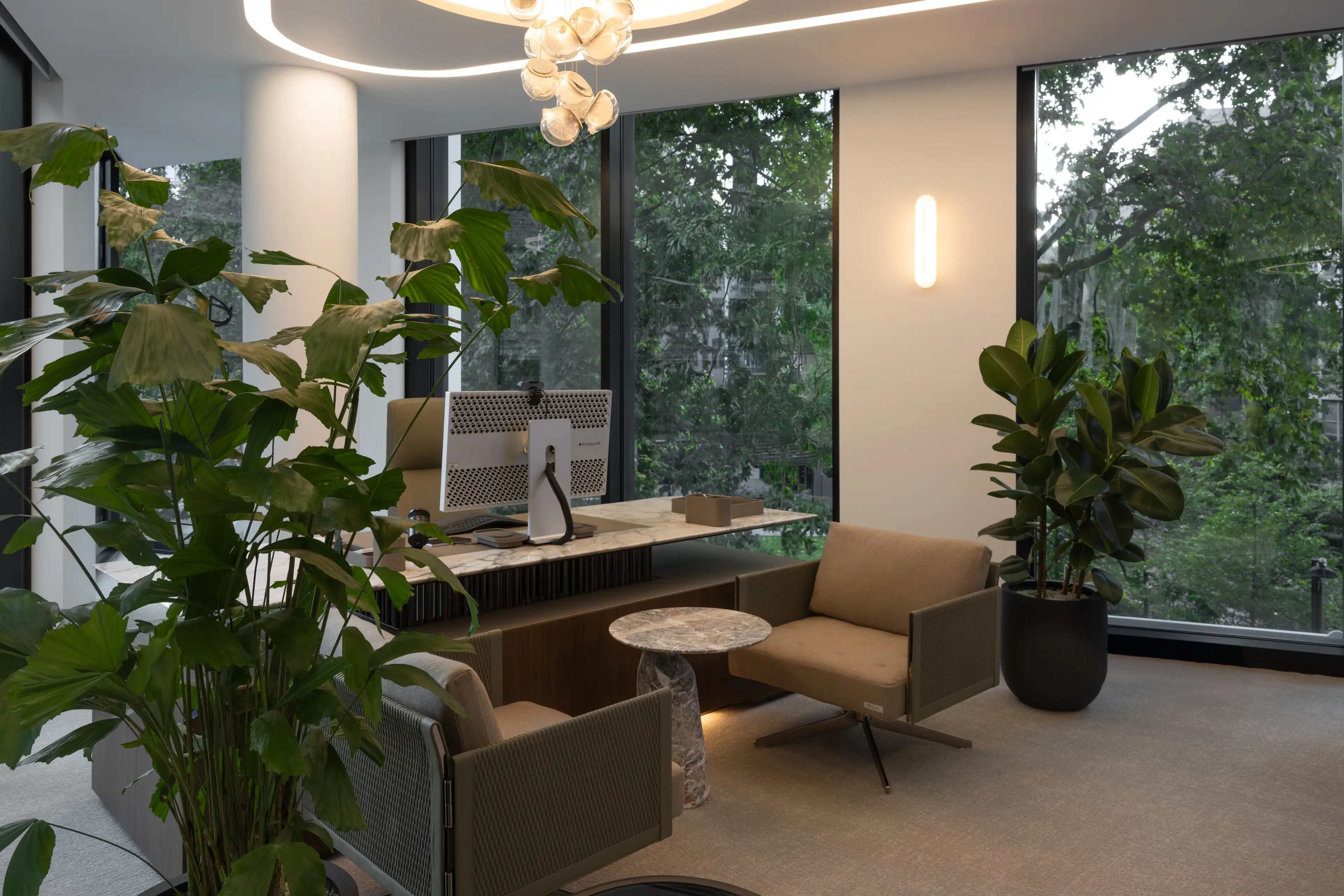
With 99% of our carbon footprint coming from our supply chain, collaboration is essential. We’ll work closely with our growers and suppliers to improve sourcing practices and reduce emissions.
We’ll continue measuring our progress, reviewing our operations and working with suppliers to reduce Scope 3 emissions. Our annual carbon assessments will help us identify where further improvements can be mad
By 2030, we aim to have made substantial progress towards our science-based emissions reduction targets. Our roadmap sets out a 74% reduction in total carbon emissions by 2035, against our 2025 baseline.
Who is Helping us get there?
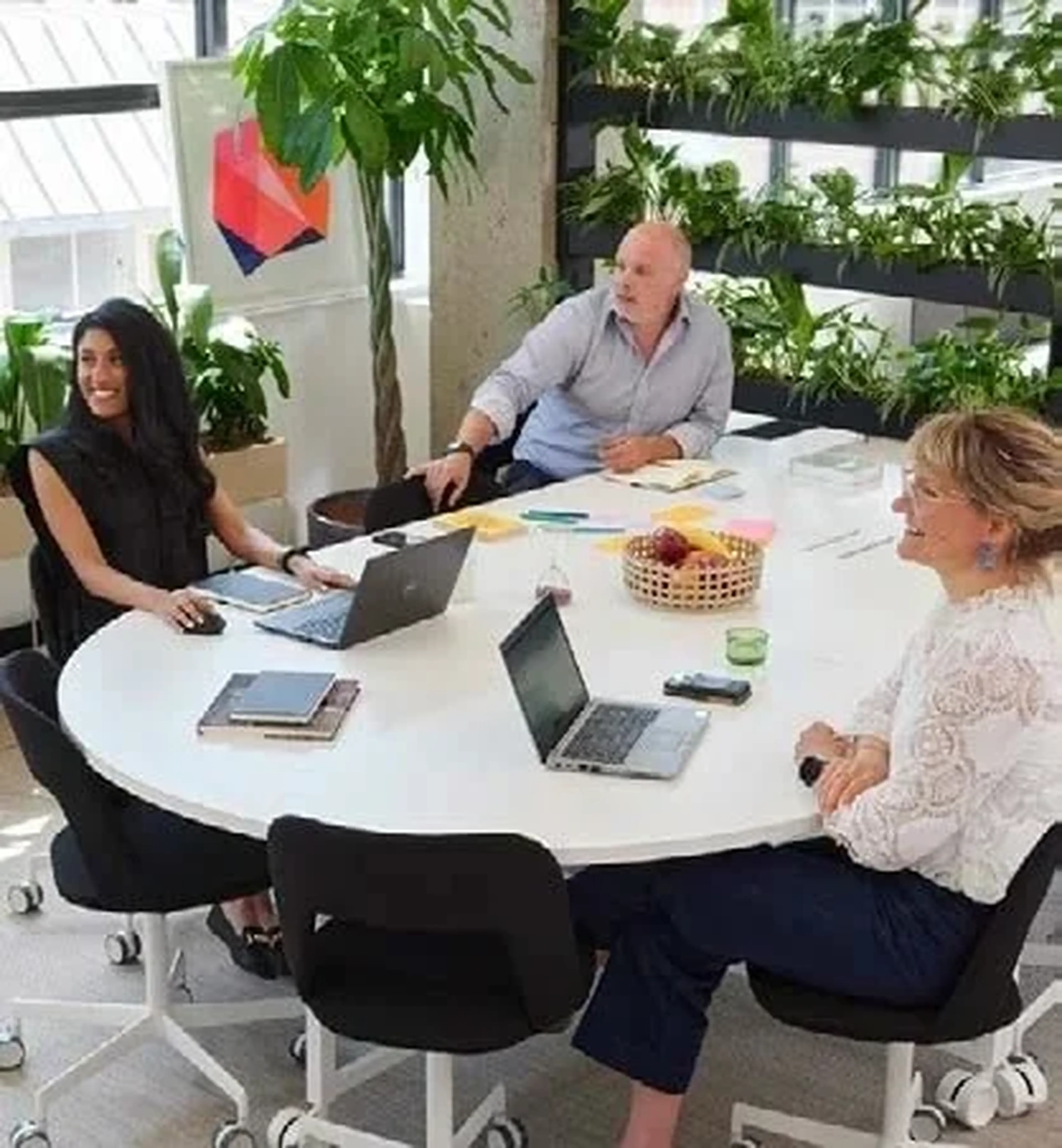
Sustainability Working Group

Carlsson chairs the working group ensuring our progress remains on track.
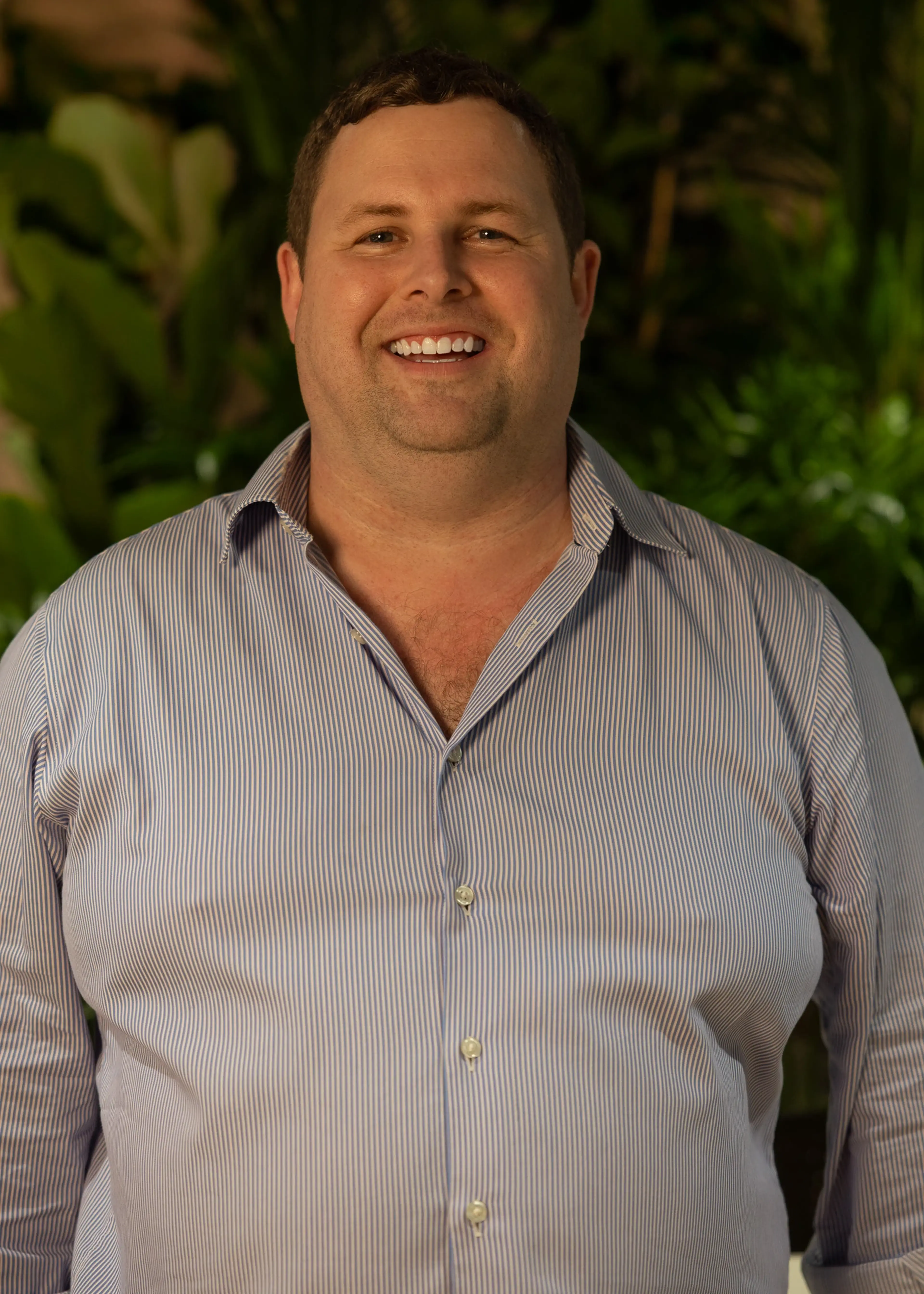
Adrian leads our compliance and registrations with regulatory bodies.

Tom ensures our customers and suppliers are fully appraised of our plans.
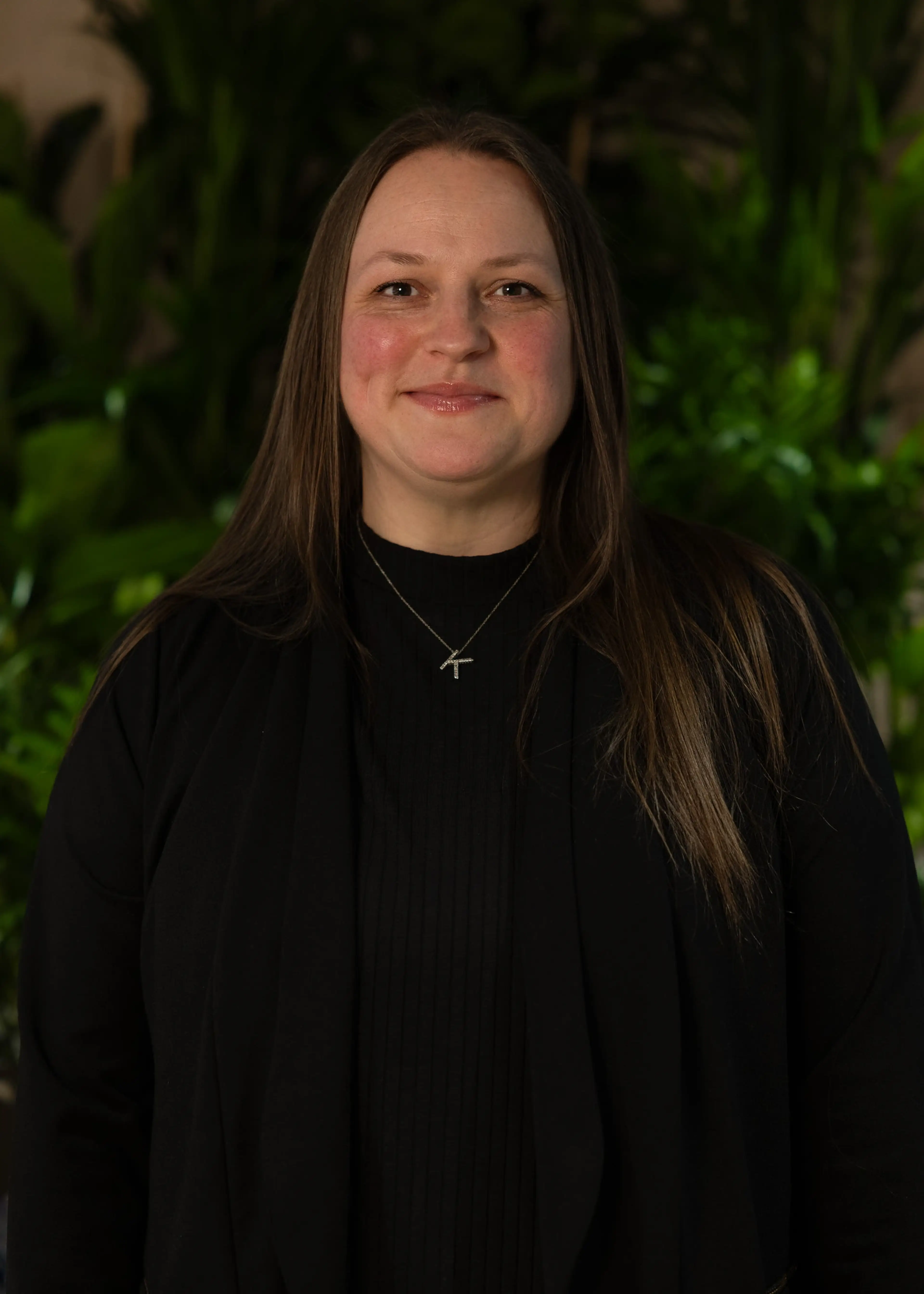
Katie is responsible for actioning the group’s supplier requirements.
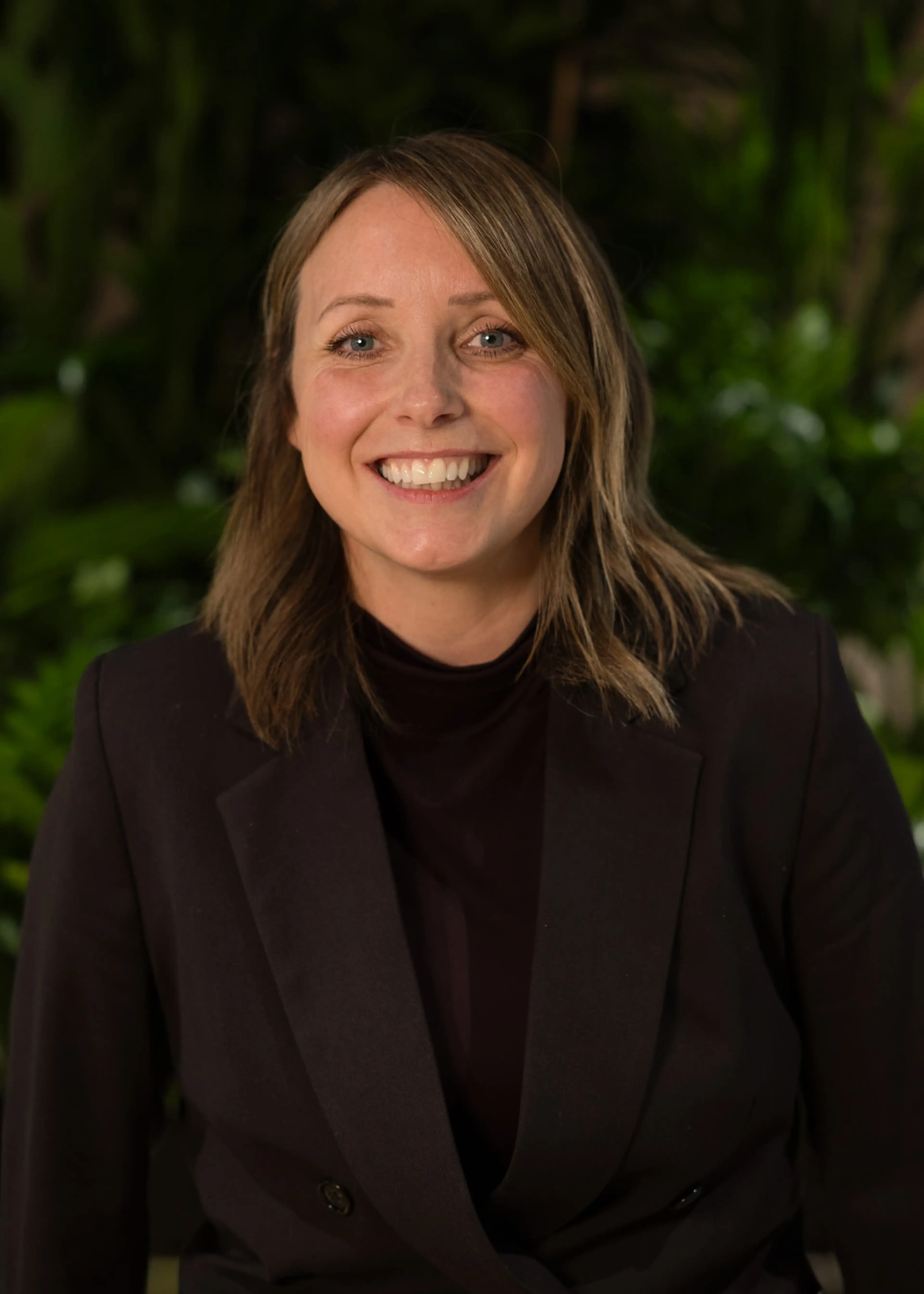
Many of our meaningful changes involve changing human behaviour.
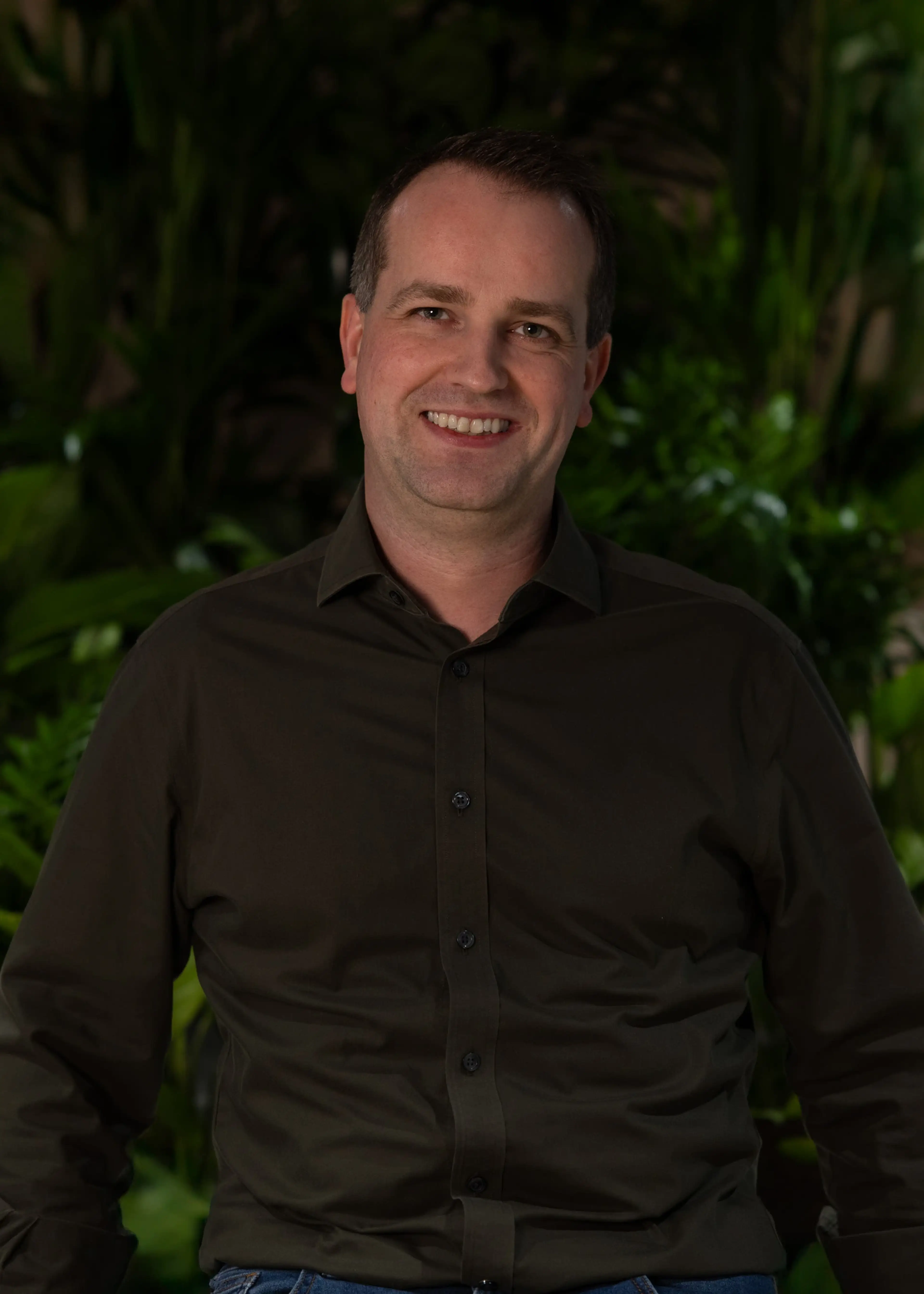
Craig is the operations interface within the group – a key area for change.
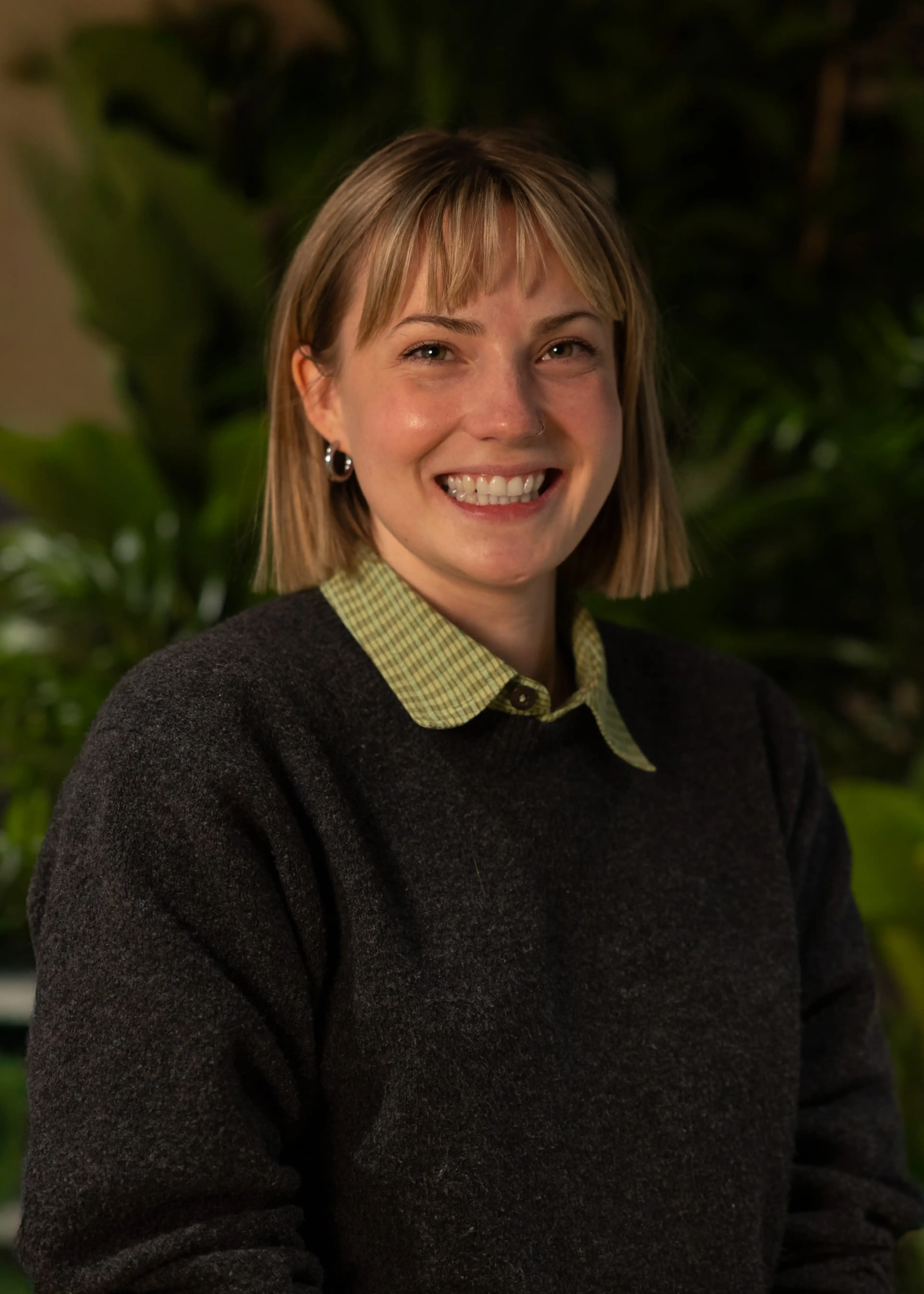
Amy is one of our lead planting designers, and takes our ESG work and makes it practice.
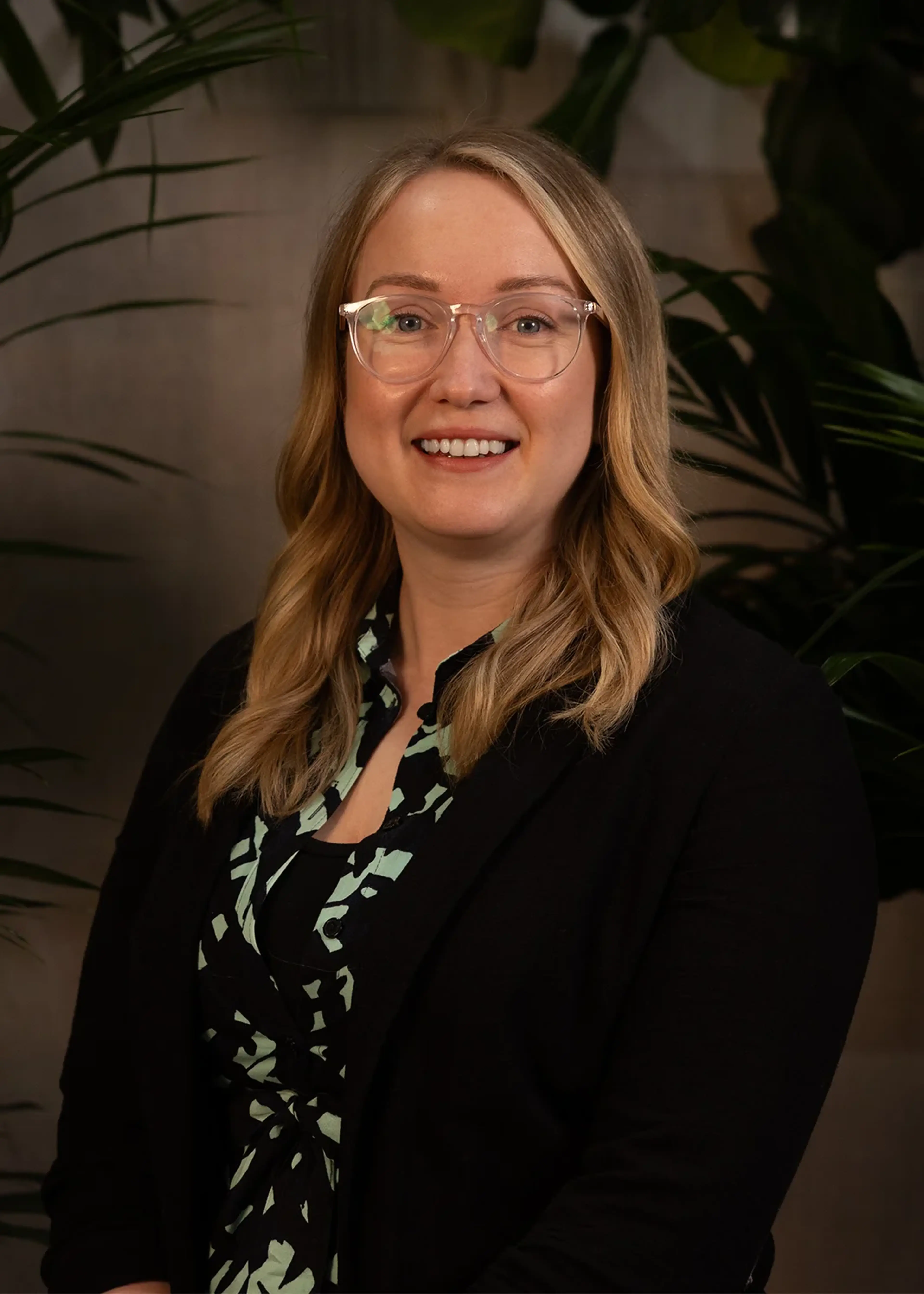
Sarah makes sure that everyone in the ESG working group is doing their job properly!
Want to learn more about our ESG commitments?
Pop your details in, and what you would like to know. If you are exploring options for your own planting, you can use this form too!

